
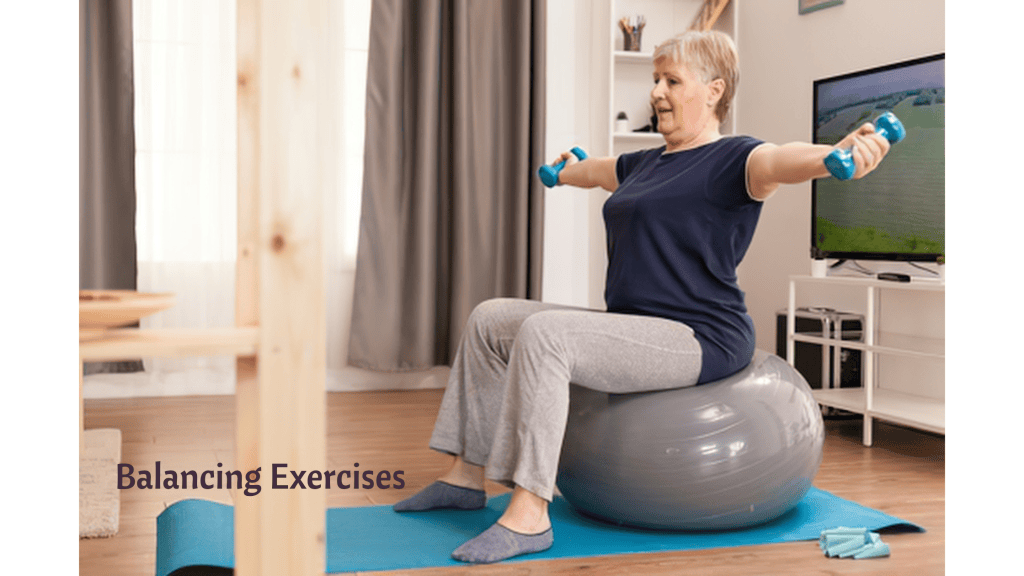
Aging gracefully isn’t about slowing down—it’s about moving with intention, confidence, and strength. As we navigate our 40s, 50s, and beyond, our physical priorities naturally shift. While fitness in our earlier years often focuses on aesthetics or pure endurance, long-term health hinges on two vital foundations: bone density and balance.
At PX6, we view movement as lifelong medicine. Whether your goal is playing with your grandchildren, traveling comfortably, or maintaining total independence at home, a well-structured active aging routine is your single greatest asset.
1. The Hidden Risks: Sarcopenia & Bone Loss
As early as our 30s, the body gradually begins to lose muscle mass and bone structural density if they aren’t actively stimulated.
Sarcopenia (Age-Related Muscle Loss): Adults can lose between 3% to 8% of muscle mass per decade after age 30, accelerating further after age 60. This loss directly affects metabolic health, joint stability, and overall energy.
Osteopenia & Osteoporosis (Bone Density Loss): Bones are dynamic living tissues that respond to mechanical stress. Without load-bearing stimulus, bone resorption outpaces bone creation, leaving bones brittle and vulnerable to fractures.
The good news? Your muscular and skeletal systems retain an incredible capacity to adapt at any age. The key is applying the right type of physical stimulus safely.
2. Progressive Resistance: The Key to Strong Bones
Bones require mechanical tension to stay dense and strong. When your muscles pull against bone during exercise, osteoblasts (bone-building cells) are triggered to lay down new bone tissue.
While low-impact activities like walking and swimming are great for cardiovascular health, they don’t provide sufficient impact or multi-directional resistance to optimize bone density on their own.
High-Yield Movements for Bone Health:
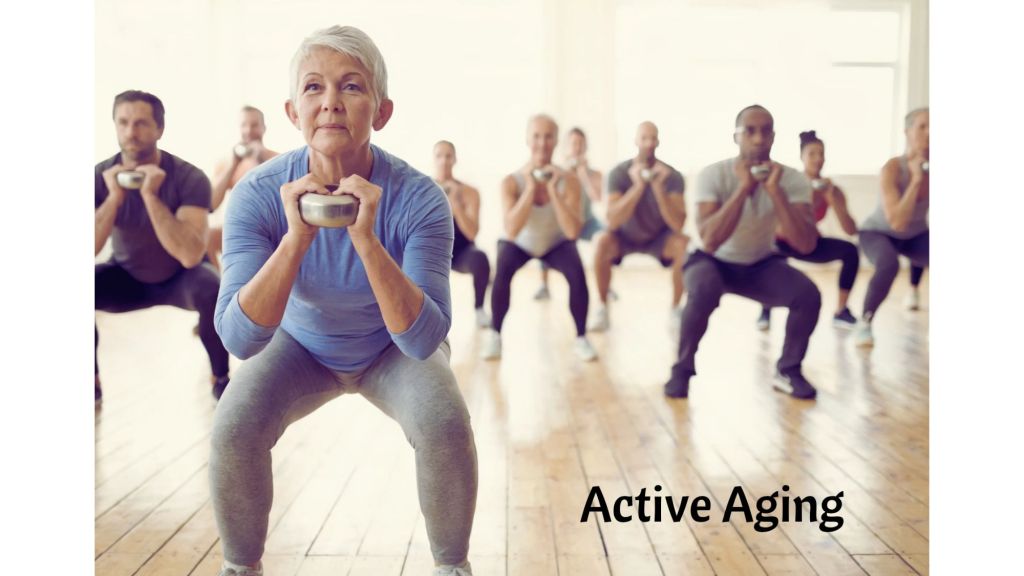
- Axial Loading Exercises: Gentle, controlled vertical loading—such as step-ups or goblet squats—strengthens the femur, hip, and lumbar spine (the areas most prone to osteoporotic fractures).
- Resistance Band & Free Weight Work: Rows, overhead presses, and deadlifts place beneficial tension through the upper back and wrists.
- Multi-Planar Drills: Moving side-to-side and diagonally helps reinforce bone structure against unpredictable forces.
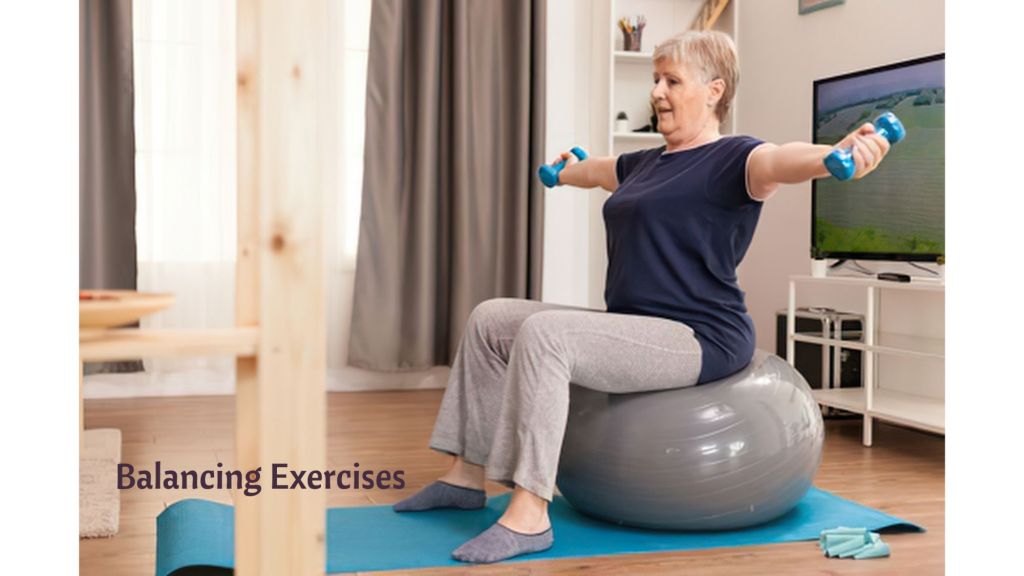
3. Fall Prevention Mechanics: Training Your Balance & Reflexes
A fall can be life-altering, but falls are not an inevitable part of growing older. Balance is a complex skill governed by your visual system, your inner ear (vestibular system), and your proprioception (your brain’s awareness of where your body is in space).
Targeted balance training sharpens your nervous system’s reaction times so you can catch yourself smoothly if you slip or trip.
Daily Balance & Stability Drills:
- Single-Leg Stance: Stand near a sturdy surface or wall for safety, lift one foot off the ground, and balance for 15–30 seconds per side.
- Tandem (Heel-to-Toe) Walking: Walk in a straight line, placing your heel directly in front of your opposite toe with each step.
- Tandem Balance with Head Turns: Stand in a heel-to-toe stance and slowly turn your head side to side to challenge your vestibular system and deep core stabilizers.
4. Reclaim Your Vitality at PX6
Fitness as you age isn’t about pushing past your limits—it’s about building a body that supports your life. By pairing progressive resistance training with sensory balance work, you can maintain strong bones, agile joints, and unshakable confidence in every step you take.
At PX6, our expert guidance ensures that every movement is tailored to your current fitness level, health history, and individual goals in a safe, supportive environment.
👉 Ready to invest in your longevity and strength?
Explore our Senior Citizen Fitness Programs or book an Active Aging Assessment today at PX6 to move with power and independence!
 PX6 Fitness and Energy Healing Center